



Wayfinding in Interactive Kiosks: Everything You Need To Know

Effective wayfinding in interactive kiosks improves  visitor experience and enhances the overall efficiency and functionality of the space.

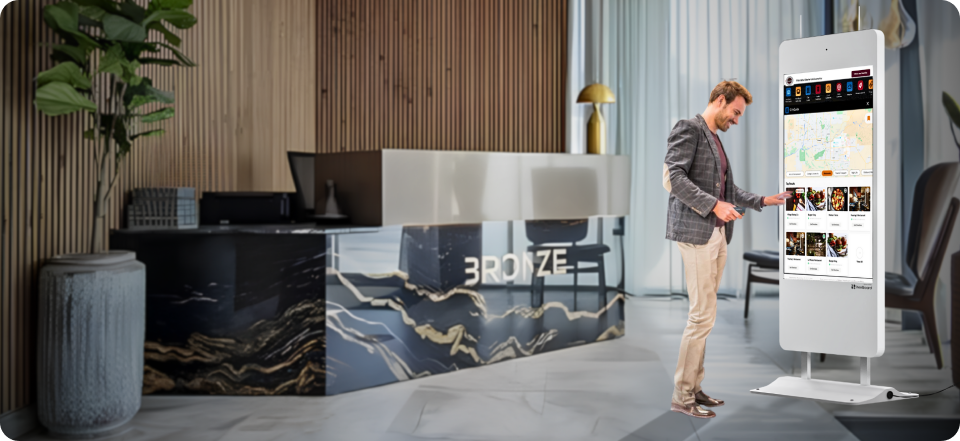
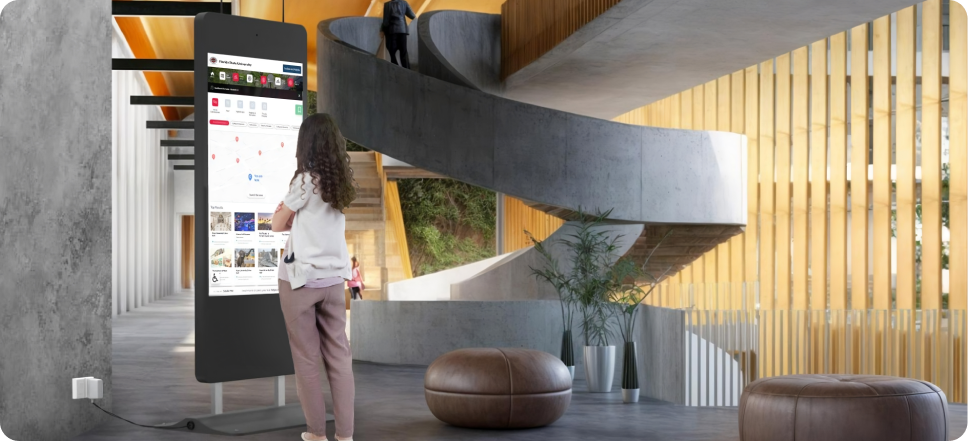
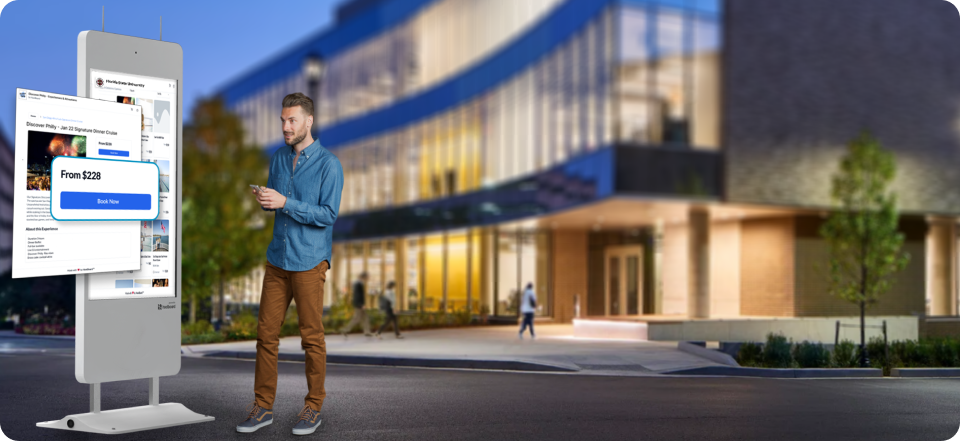
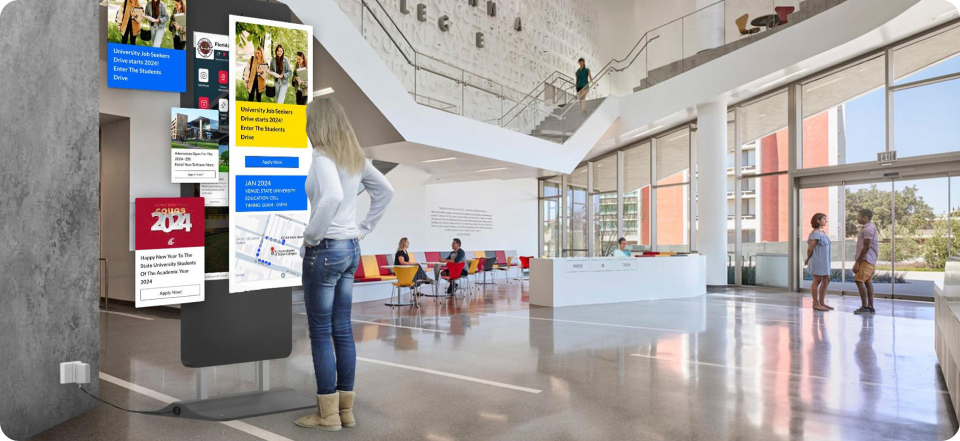
HootBoard WayFinding Interactive Kiosks are Installed in Your Favourite Destinations

Effective Wayfinding in Interactive Kiosks
User-Centered Design:

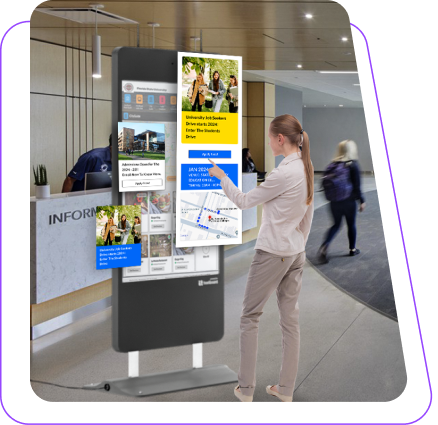
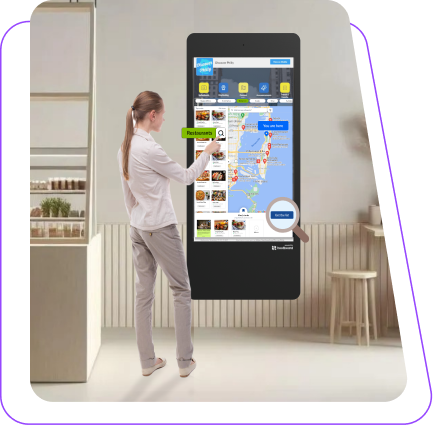
The HootBoard Wayfinding App is designed keeping in mind various places, indoor and outdoor, where Kiosks can be installed. For example, kiosks in a hospital are made easy to use for elderly patients, while those in a shopping mall might focus on quick and efficient navigation for busy shoppers.

Intuitive Interfaces:

The HootBoard Wayfinding interface is intuitive, with a simple design. Users are able to understand how to use the kiosk without extensive instructions. This is achieved through clear labeling

Clear Visual Cues:

Effective wayfinding relies heavily on visual cues. We use clear and easily recognizable symbols, colors, and typography.

Interactive Maps:

Wayfinding with interactive maps greatly enhances the user experience. These maps are zoomable, searchable, and capable of providing step-by-step directions. Highlighting key landmarks and providing a “you are here” marker to help users orient themselves.

Accessibility:

We ensure your kiosks are accessible to all users, including those with disabilities, is crucial. This includes features like adjustable screen heights, voice commands, tactile buttons, and compatibility with assistive technologies.

Feedback and Confirmation:

 HootBoard Wayfinding gives users feedback and confirmation at each step of the process prevents confusion and ensures they are on the right track. This includes visual or auditory cues confirming that a selection has been made or that the visitor is proceeding correctly.

Implementation Strategies for Wayfinding Kiosks

Location and Placement:

The placement of interactive kiosks is critical. They should be located at key points of decision-making, such as entrances, intersections, and major transit points. Additionally, kiosks should be placed at an appropriate height and angle for easy use.

Content Organization

Information on the kiosk should be organized logically and hierarchically. Essential information should be displayed prominently, while secondary details can be accessed through additional menus or layers.

Personalization

Personalizing the wayfinding experience can enhance usability. Kiosks can use user profiles, preferences, and past interactions to provide tailored navigation and recommendations.

Real-Time Updates

Integrating real-time data into kiosks can improve accuracy and relevance. For example, kiosks in transportation hubs can provide real-time updates on schedules, delays, and changes in routes.

Multilingual Support

Providing multilingual support can accommodate a diverse user base, especially in international airports, tourist attractions, and cosmopolitan cities.

Testing and Iteration

Regular testing and iteration of the kiosk interface are essential. Gathering user feedback and analyzing usage patterns can identify areas for improvement and ensure the system evolves to meet user needs.

Challenges and Considerations

Technical Limitations

Kiosks must be robust and reliable, with minimal downtime. Technical failures can frustrate users and impede navigation.

User Privacy

Collecting and using user data for personalization must be handled with care to protect privacy. Transparent data policies and secure systems are essential.

Cultural Differences

 Wayfinding principles can vary across cultures. Designers must consider cultural norms and preferences to create universally usable kiosks.

Environmental Factors

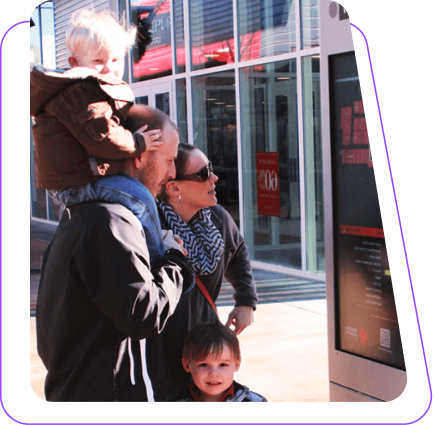
The physical environment can impact the effectiveness of wayfinding kiosks. Factors such as lighting, noise, and congestion should be considered in the design and placement of kiosks.

HootBoard AirX – The All-in-one Interactive Kiosk

How DMOs Can Capitalize on America’s 250th Anniversary with Interactive Kiosks and Smart Visitor Engagement

America's 250th birthday is arriving in 2026, and destination marketing organizations have a once-in-a-generation opportunity to capture unprecedented visitor interest, drive tourism revenue, and establish their cities as essential stops on the Semiquincentennial...

How DMOs Can Capitalize on FIFA World Cup 2026: Interactive Kiosks, Multilingual Visitor Engagement, and Sports Tourism Infrastructure Strategy

The FIFA World Cup is returning to North America for the first time since 1994, and the 2026 tournament—hosted across 16 cities in the United States, Mexico, and Canada—represents the single largest sports tourism opportunity in a generation. With an estimated 5...

The Hidden Power of Campus Data: How Universities Can Leverage Student Insights to Improve Services

Universities generate massive volumes of data every day—from learning management systems and campus apps to interactive kiosks and digital signage. Yet, much of this data remains fragmented, underutilized, or analyzed too late to make a meaningful impact. For...

Rethinking Customer Engagement: Why Destination Marketing Organizations Need an Interactive-First Approach

Destination Marketing Organizations (DMOs) and tourism-led businesses are operating in a radically different landscape than even five years ago. Travelers are more informed, more impatient, and far more experience-driven. Simply having a website, mobile app, or social...

Interactive Wayfinding Kiosks for Museums | Improve Visitor Engagement

Interactive Wayfinding Kiosks for Museums: Helping Visitors Explore Without Getting Lost Museums are designed to inspire curiosity, discovery, and learning — yet many visitors spend a surprising amount of time feeling confused, disoriented, or unsure where to go next....

Interactive Guest Engagement Kiosks for Hotels | Smart Check-In & Wayfinding

Guest Engagement Kiosks for Hotels: From Self Check-In to Interactive Guest Experiences Hotels today are under pressure to deliver fast, seamless, and personalized experiences — without increasing operational costs or front desk workload. Guests expect instant...

A Complete Guide to Using NJ Historic Trust Grants to Fund a Visitor Kiosk (2026 Edition)

Historic preservation in New Jersey has evolved beyond simply protecting buildings. Today, historic sites are also expected to educate, engage, and serve the public—often with limited staff, limited budgets, and strict preservation constraints. Visitors want context....

How to Use the Discover NJ History Grant to Fund a HootBoard Kiosk

Fund Your Visitor Kiosk Using the Discover NJ History Grant (Up to $7,500) A step-by-step guide for New Jersey historical societies, museums, and DMOs to improve visitor experience using state funding. What Is the Discover NJ History License Plate Grant? The Discover...

The Future of Career Services: How Universities Can Use Kiosks to Match Students With Jobs and Internships

Career services offices were never meant to feel invisible. They exist to be one of the most consequential touchpoints in a student’s academic life — the bridge between education and livelihood, between theory and reality. Yet on many campuses today, career services...

The Privacy Paradox: How Travel & Hospitality Brands Can Collect Customer Data Without Losing Trust

Personalization has become the baseline expectation in travel. Guests expect relevance—quietly, instinctively. They expect hotels to anticipate needs, destinations to guide them intuitively, and experiences to feel curated rather than generic. At the same time, trust...

Frequently Asked Questions

What is WayFinding?

Wayfinding is the process of navigating and orienting oneself in physical and digital environments and is crucial for ensuring that users can efficiently find their way.

Why Wayfinding in Interactive Kiosks?

Interactive kiosks are used in various settings, including visitor centers, airports, shopping malls, hospitals, museums, and public transportation hubs. Effective wayfinding in these kiosks improves user experience and enhances the overall efficiency and functionality of the space.

What is HootBoard Wayfinding?

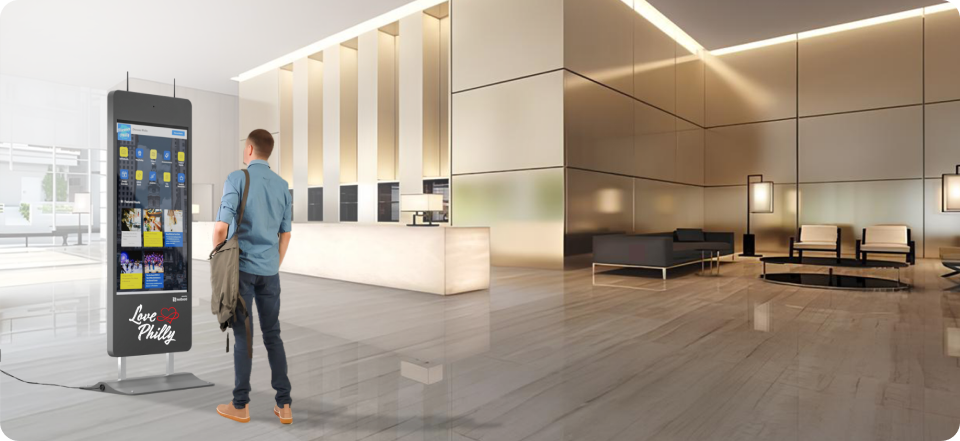
HootBoard offers a complete Kiosk solution, a free-standing or wall-mounted sleek Kiosk with pre-installed proprietary software. This Software comes with apps such as Wayfinding, Selfieapp, Directory, Bulletin Board, and a host of others that enable meaningful interactions. Click Here to Set up a Free Exploratory Call

How to Install Wayfinding in Existing Kiosks?

If you already have a Display Screen or an Interactive Kiosk. You can Download the HootBoard OS for Free. You can also Create a Free HootBoard Account online and Connect your Screen to it.

Can I customize Wayfinding?

Yes, HootBoard offers a variety of customizable options. With a paid account you can also upload specific Places Of Interest.

How can I get personalized support?

You can write to support@hootboard.com and we will get back to you within 24 hours.