The FIFA World Cup is returning to North America for the first time since 1994, and the 2026 tournament—hosted across 16 cities in the United States, Mexico, and Canada—represents the single largest sports tourism opportunity in a generation. With an estimated 5 million international visitors and tens of millions of domestic travelers expected between June and July 2026, destination marketing organizations face a critical question: how do you convert stadium visitors into extended-stay tourists who explore beyond match day?
The answer lies in strategic deployment of interactive wayfinding kiosks and multilingual digital tourism infrastructure that serves international audiences at the precise moments they’re making spending decisions. DMOs in both host cities and nearby markets can capture significant economic impact—but only if visitor engagement systems are deployed early, localized properly, and positioned at high-conversion touchpoints.
The Economics of World Cup Tourism: Why Traditional Marketing Won’t Capture This Audience
World Cup visitors behave fundamentally differently than typical leisure travelers. Research from the 2014 Brazil World Cup and 2018 Russia World Cup shows three defining characteristics:
- They arrive with fixed stadium schedules but flexible non-match itineraries
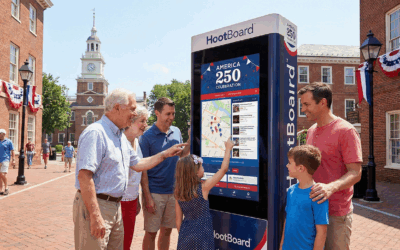
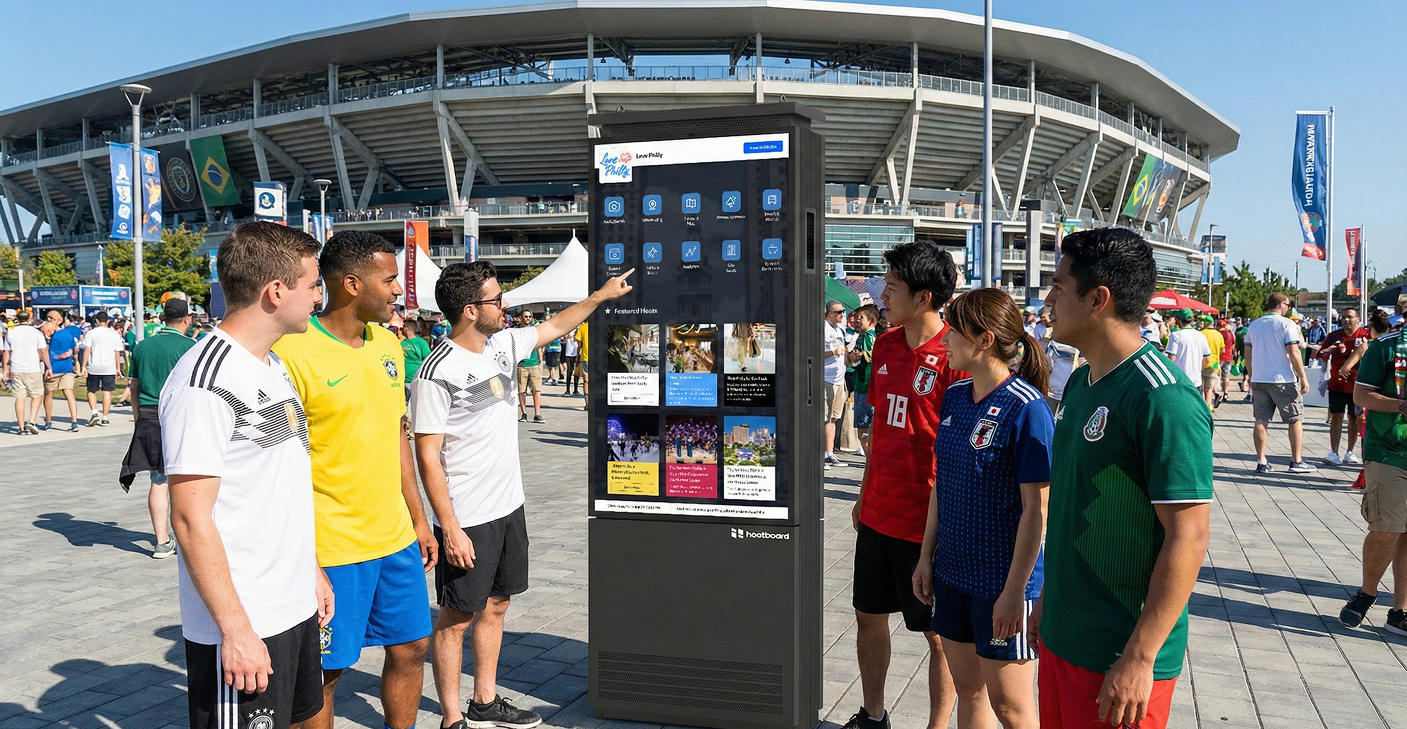
A fan from Germany attending a match in Philadelphia has a three-hour window locked in, but the other 21 hours of that day—and potentially 2-4 surrounding days—are wide open. They didn’t arrive with restaurant reservations, museum tickets, or shopping plans. They’re making those decisions in-market, in real-time, in locations of opportunity. Interactive tourism kiosks positioned at stadiums, hotels, transit hubs, and downtown corridors become the default information source.
- They travel in international groups with diverse language needs
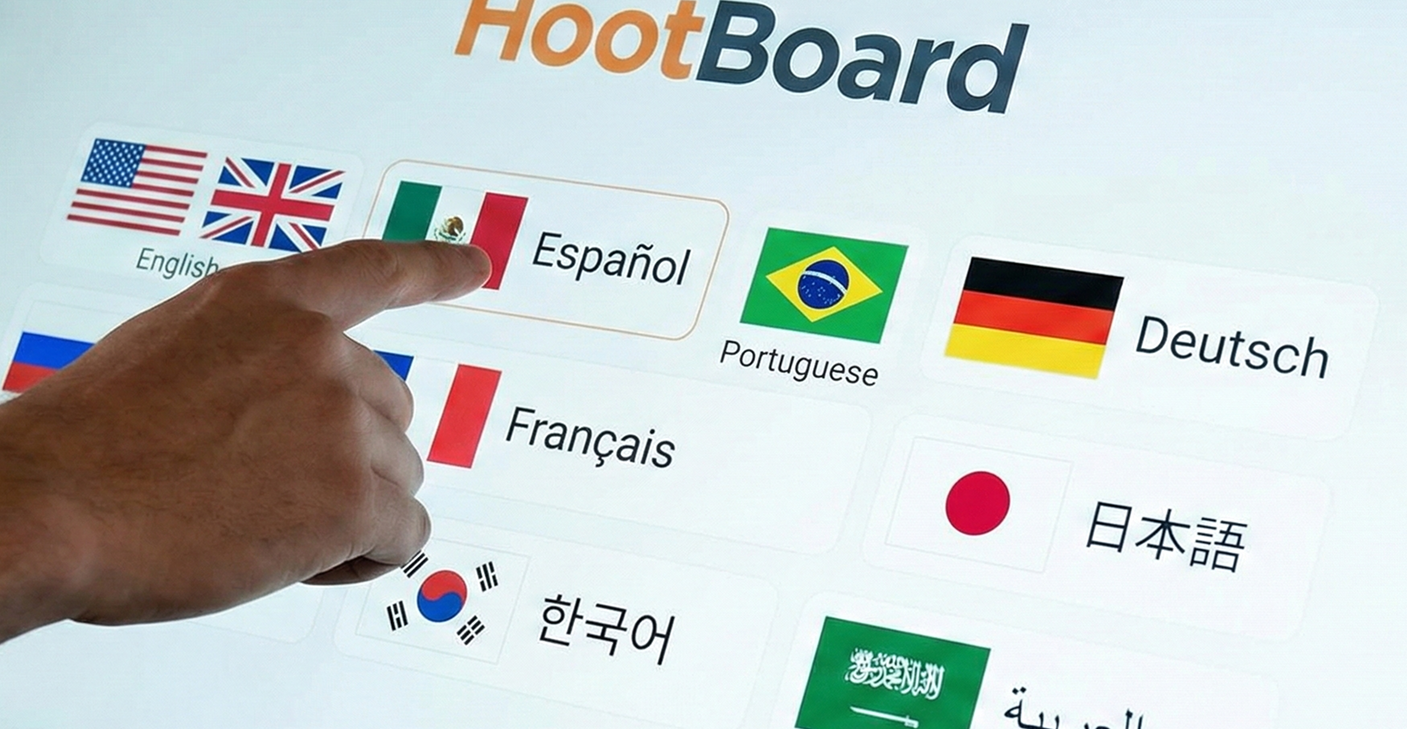
Unlike domestic tourism where English suffices, World Cup visitors speak Spanish, Portuguese, French, German, Japanese, Korean, Arabic, and dozens more languages. A group arriving from Mexico City might include fans from Argentina, Brazil, and Colombia. Multilingual interactive kiosks with robust language support (minimum 8-10 languages for FIFA 2026) eliminate the friction that causes international visitors to default to familiar hotel concierges instead of exploring independently.
- They spend at dramatically higher rates than typical tourists
U.S. Travel Association data from major sporting events shows international visitors spend $4,200-$7,800 per trip compared to $1,200-$2,400 for domestic leisure travelers. The World Cup accelerates this further—fans are already in a celebratory spending mindset, often traveling with groups that enable higher per-person restaurant bills, more retail purchases, and premium experience upgrades. Digital wayfinding systems that surface premium dining, local shopping districts, and unique experiences convert latent spending intent into actual economic activity.
Strategic Kiosk Deployment: Host Cities vs. Regional Beneficiaries
Not all DMOs have equal World Cup exposure, but both host cities and regional markets can capture value through strategic sports tourism infrastructure investment.
Host City Strategy: Stadium-Centric Kiosk Networks
If your city is hosting matches (confirmed hosts include New York/New Jersey, Los Angeles, Miami, Dallas, Atlanta, Philadelphia, Seattle, Kansas City, Houston, Boston, San Francisco, Toronto, Vancouver, Guadalajara, Mexico City, Monterrey), your kiosk deployment must prioritize:
Stadium Perimeter (Within 1-Mile Radius)
- Place interactive wayfinding kiosks at metro/transit exits serving the stadium, parking lot pedestrian routes, and fan zone entrances. Match-day foot traffic creates 50,000-80,000 potential interactions per game day. Content should emphasize:
- Pre-match dining (restaurants with reservations still available)
- Post-match entertainment (bars, clubs, late-night dining with hours listed)
- Next-day attractions (museums, tours, shopping) to encourage extended stays
- Transportation options (rideshare zones, metro schedules, walking routes to hotels)
Hotel Concentrations
- International visitors often book hotels months in advance but arrive with no knowledge of neighborhoods, local dining, or non-stadium activities. Lobby-based digital tourism kiosks in major hotel properties capture this high-value audience during their downtime. Key content:
- Neighborhood walking tours (with estimated times and difficulty levels)
- Cultural attractions within 2-mile radius
- Shopping districts organized by product type (apparel, souvenirs, local crafts)
- Nightlife organized by vibe (sports bars, dance clubs, live music, rooftop lounges)
Regional Beneficiary Strategy: Capturing Multi-City Travelers
If your destination is within 150 miles of a host city, you can capture multi-match travelers using smart city tourism kiosks positioned at interstate exits, regional airports, and downtown areas. Example: Fans attending matches in Philadelphia might visit Valley Forge, Wilmington, or Lancaster. Fans in Dallas might explore Fort Worth, Austin, or San Antonio between matches.
Content strategy for regional markets:
- Day-trip itineraries from host cities (with transportation options and timing)
- “Alternative base” messaging — “Stay here, day-trip to stadium” for cost-conscious fans
- Unique attractions unavailable in host cities (wineries, outdoor recreation, cultural sites)
- Match-day watch party venues with large screens for fans not attending in person
Multilingual Content Strategy: Beyond Simple Translation
Deploying multilingual interactive kiosks requires more than running English content through Google Translate. Effective international visitor engagement demands cultural localization and practical adaptation.
Essential Languages for FIFA 2026
Based on FIFA’s global viewership data and historical travel patterns to World Cups:
- Tier 1 (Mandatory): English, Spanish, French, Portuguese
- Tier 2 (Highly Recommended): German, Japanese, Korean, Mandarin
- Tier 3 (Host City Dependent): Arabic, Italian, Dutch, Polish
Localization Beyond Language
- Currency Display: Show prices in USD with automatic conversion to EUR, GBP, MXN, CAD, JPY based on language selection
- Distance Metrics: Toggle between miles/kilometers based on language preference
- Cultural Recommendations: German visitors shown beer gardens, Japanese visitors shown serene gardens/tea experiences, Brazilian visitors shown live music venues
- Dietary Filters: Halal, kosher, vegetarian, vegan restaurant filtering based on international visitor needs
Sponsorship & Revenue Opportunities: How World Cup Kiosks Pay for Themselves
The World Cup creates unique sponsorship demand from brands seeking international exposure. Interactive kiosk networks offer premium advertising inventory that traditional outdoor media cannot match:
International Brand Sponsorships
Global brands (automotive, telecom, financial services, hospitality) pay premium rates for access to international audiences. Typical sponsorship packages for FIFA 2026 kiosk networks:
- Presenting Sponsor: $75,000-$150,000 (logo on hardware, 30-second video between sessions, featured placement in categories)
- Category Exclusivity: $30,000-$60,000 per category (automotive, hospitality, dining, retail)
- Match-Day Takeovers: $10,000-$25,000 per match day for branded content domination on game days
Local Business Advertising
Restaurants, hotels, retailers, and tour operators targeting World Cup visitors will pay for placement in kiosk directories and recommendation features. Standard rates: $500-$2,000 per business for 60-day World Cup period.
Revenue projection for mid-size host city (20-kiosk network): $400,000-$800,000 in total sponsorship revenue for June-July 2026 period. This offsets 60-90% of infrastructure deployment costs.
Data Intelligence: What World Cup Kiosk Analytics Reveal About International Visitors
Smart digital wayfinding kiosks generate anonymized behavioral data that helps DMOs, hotels, restaurants, and retailers optimize for international audiences:
- Language Preference Trends: Which nationalities are visiting in highest volumes? Informs future translation priorities and cultural programming.
- Peak Usage Times: When are visitors most actively seeking recommendations? Helps restaurants and attractions optimize staffing.
- Interest Category Rankings: Are visitors searching primarily for dining, shopping, museums, nightlife? Reveals spending priorities.
- Geographic Clustering: Which neighborhoods are generating the most kiosk engagement? Informs future infrastructure placement.
This intelligence has commercial value. Hotels can adjust pricing based on nationality-specific demand patterns. Restaurants can add menu items targeting dominant visitor demographics. Retailers can stock inventory aligned with search trends.
Implementation Timeline: When to Deploy Interactive Kiosks for FIFA 2026
Q1 2025: RFP and vendor selection. Lock in hardware suppliers and content localization partners while avoiding 2026 price increases.
Q2 2025: Content development and translation. Build multilingual content libraries, secure sponsorship commitments, train staff.
Q3-Q4 2025: Hardware installation and soft launch. Deploy networks, test multilingual functionality, work out technical issues before international audiences arrive.
Q1 2026: Pre-tournament activation. Early adopters researching trips begin engaging with kiosks. Refine content based on usage patterns.
June-July 2026: Peak operation. Full deployment, maximum sponsorship fulfillment, continuous content updates matching match schedules.
Post-Tournament: Infrastructure remains valuable. Transition from World Cup content to evergreen international visitor engagement. Multilingual capabilities serve year-round tourism.
The Legacy Opportunity: Building Permanent International Tourism Infrastructure
The FIFA World Cup is a six-week event, but the interactive kiosk infrastructure deployed to serve it creates permanent value. Multilingual digital wayfinding systems, international visitor engagement protocols, and data analytics capabilities continue serving international tourists long after the final match.
DMOs that view World Cup infrastructure as a temporary expense miss the point. Those that recognize it as a catalyst for permanent international tourism capability building will capture economic benefits that compound for years. The tournament creates budget justification and urgency for technology investments that would otherwise face bureaucratic delays.
Start planning now. The cities that deploy smart tourism kiosks and multilingual visitor systems early will dominate extended-stay conversion, capture premium sponsorship revenue, and establish infrastructure advantages that persist well beyond 2026. The window is closing.