

Destination branding is how a place stops competing on scenery and starts competing on identity. Here's the definition, a classic example, and the practices that make it work.
In my years focusing on the competitive realm of tourism, I've learned that drawing travelers to a location goes beyond just highlighting its scenic beauty and cultural offerings. Destination brands and destination brand development is a fascinating part of tourism marketing. Here are some of my favorite examples, best practices, and strategies for leveraging destination branding effectively.
Definition of Destination Branding
Destination branding, or place branding, is the process of identifying, crafting, and nurturing the unique identity of a geographical location to distinguish it from its competitors. This involves creating a compelling image and message that resonates with potential visitors, encapsulating everything from the visual elements like logos and symbols to the emotional experiences a destination offers. According to Solimar International, destination branding is about "identifying the destination's strongest and most competitively appealing assets in the eyes of its prospective visitors" (Solimar International).
Essentially, destination branding is the strategic process of differentiating a location, emphasizing a destination's unique selling point through careful development of the destination brand. My experience has shown that effective destination marketing and place branding hinge on clearly communicating a destination's brand values, making that destination stand out in the minds of potential visitors.
Example of Successful Destination Branding
A quintessential example of effective destination branding is New Zealand's "100% Pure New Zealand" campaign. Launched in 1999, this campaign positioned New Zealand not just as a place to visit, but as a destination offering a pure, untouched, and rejuvenating experience. By focusing on the country's pristine landscapes and adventurous spirit, New Zealand successfully attracted a global audience, significantly boosting its tourism industry.
Destination Marketing Branding Ideas
- Creating a memorable experience through immersive local culture events that differentiate your city from other destinations in a saturated marketplace.
- Identifying the core components of your destination's unique appeal and leveraging these in all destination marketing materials to attract tourists effectively.
- Engaging local residents as ambassadors for the destination, building relationships that enhance the reputation and narrative consistently across various platforms.
- The managing director or leadership team showcasing insights and success stories through regular interactions with potential visitors on social media, setting your travel sector presence apart from other locations.
- Developing partnerships with influencers and content creators who align with your destination's values and can reach potential customers, sharing authentic experiences.
- Implementing feedback loops with visitors to understand their needs better and improve the destination proposition continuously, fostering a sense of community and belonging.
- Leveraging technology and innovative solutions to provide seamless experiences for tourists, from virtual tours to mobile apps guiding them through the city, making it easier than ever to explore.
- Highlighting sustainability efforts and eco-friendly initiatives to resonate with environmentally conscious travelers, showcasing your destination as a leader in this fastest-growing industry trend.
- Offering exclusive deals and packages in collaboration with local businesses and suppliers, ensuring visitors get a unique experience not found in other parts of the world.
- Consistently communicating your brand's story and destination marketing strategy through effective marketing communications channels, focusing on what makes your location stand out to attract tourists and keep them coming back.

Best Practices in Destination Branding
- Identify Unique Selling Points (USPs): Understand what makes your destination unique. Whether it's cultural heritage, natural beauty, or culinary experiences, pinpointing these USPs is crucial (Pro.Regiondo.com).
- Engage the Community: For branding to be authentic, it must resonate with the local community. Their involvement ensures the brand reflects the true spirit of the destination (TheChoice.ESCP.eu).
- Consistent Messaging: Consistency in messaging across all platforms ensures that the brand identity remains strong and recognizable (ResearchFDI.com).
- Leverage Digital Platforms: Utilize social media, websites, and digital marketing to share stories, images, and experiences that embody the destination's brand (PlaceBrandObserver.com).
- Monitor and Adapt: Destination branding is not a one-time effort. Continuously monitor the brand's performance and adapt strategies as needed to remain relevant and appealing to target audiences (ScienceDirect.com).

How Destinations Can Use Branding to Drive Tourism
Destination branding can significantly impact a location's attractiveness to tourists. Here's how destinations can use it effectively:
- Create Emotional Connections: Through storytelling and imagery, create an emotional appeal that makes people dream of visiting your destination.
- Target the Right Audience: Use your brand to speak directly to the demographics most likely to be attracted to what your destination offers.
- Collaborate with Influencers: Partner with travel influencers who can authentically represent your brand and share their experiences with a broad audience.
- Offer Unique Experiences: Highlight unique experiences that tourists can only enjoy in your destination, reinforcing your brand's unique selling proposition.
- Focus on Sustainability: Increasingly, travelers are looking for sustainable travel options. Positioning your destination as eco-friendly can attract a growing segment of responsible tourists.
Destination branding is a powerful tool for differentiating a location in the crowded tourism market. It's important to continue identifying what makes a destination unique, engaging with the community, maintaining consistent messaging, and leveraging digital platforms, destinations can create strong brands that attract more tourists and enhance economic development. As the world becomes ever more connected, the importance of destination branding will only continue to grow, making it an essential strategy for any location looking to boost its tourism appeal.
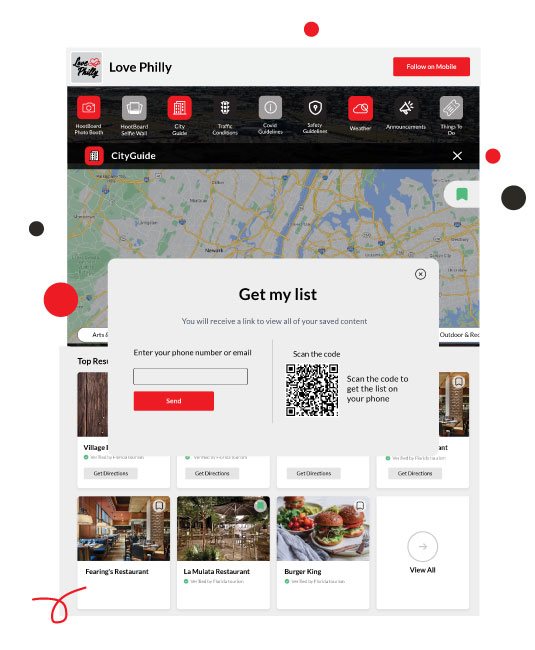
Interactive Digital Signage in Destination Branding
- Customized Maps
- Description: Interactive maps that guide tourists through unique attractions, enhancing the customer journey.
- Benefit: Improves navigation and personal experience, fostering destination loyalty.
- Storytelling Booths
- Description: Digital booths that narrate the destination's brand story and heritage through immersive multimedia.
- Benefit: Deepens the connection with the destination's identity and enriches the visitor experience.
- Feedback Stations
- Description: Allows tourists to leave real-time feedback, contributing to marketing communications and brand development.
- Benefit: Engages the target audience directly, aiding in continuous improvement and positive image building.
- Augmented Reality Experiences
- Description: Utilize AR to bring historical sites and cultural stories to life, making them interactive.
- Benefit: Transforms sightseeing into a dynamic activity, encouraging revisits and enhancing the brand promise.
- Event and Promotion Alerts
- Description: Signage that updates in real-time to inform tourists of ongoing or upcoming events and promotions.
- Benefit: Keeps visitors informed and engaged, driving economic growth and attracting more visitors.
See How HootBoard Can Help Your Destination Brand Marketing
Standing a tourist destination out demands a nuanced marketing strategy that not only captures but also retains the interest of key audiences. HootBoard offers pioneering solutions designed to revolutionize destination marketing, helping to refine your destination brand and elevate brand identity in the tourism sector. Our platform is tailored for destination marketers seeking to craft a compelling story that resonates deeply with tourists, local businesses, and local suppliers alike.
Through HootBoard, your branding process transforms into an engaging narrative, highlighting iconic landmarks and unique destination propositions that attract visitors from around the globe. With our cutting-edge marketing communications tools, developing a distinctive brand personality and building a robust destination image becomes seamless. HootBoard empowers you to weave the key elements of your branding strategy into a cohesive and attractive narrative, designed to captivate and enchant potential tourists.
If you're looking to redefine your marketing strategy and make your destination a must-visit through effective brand building and a standout branding strategy, explore how HootBoard can illuminate the path to attracting more tourists and fostering memorable experiences. Together, we can turn your destination into a story worth telling and a place worth exploring.